
NEWS & UPDATES
NEWS & UPDATES
NEWSROOM
OPINION PIECE: The IMO's Fuel intensity standards present an unrivalled opportunity for Australia
OPINION PIECE: The IMO's Fuel intensity standards present an unrivalled opportunity for Australia
/
Opinion Piece: By Donald Fraser
/
6 minute read
/
Opinion Piece: By Donald Fraser
/
6 minute read
/
Opinion Piece: By Donald Fraser
/
6 minute read
This week, the IMO's Maritime Environmental Protection Committee are meeting to adopt its Net-Zero Framework which will introduce mandatory GHG emissions limits and a global pricing mechanism, aiming for net-zero emissions around 2050 and entering into force in 2027. Here's a great 60 second video reel explaining the agreement by United Nations video).
THE IMO’s April 2025 approval of global fuel intensity CO₂ standards signal a decisive shift in maritime decarbonisation. The measures effectively introduce a $380/tonne price on carbon emitted above defined fuel-efficiency targets.
It is a rare example of genuine international leadership on greenhouse gas emissions reductions and the clock is already ticking. The first milestone in 2028 is fast approaching and for many operators, the challenge will be greater than expected: meeting the fuel carbon intensity targets to avoid the $380/tonne CO₂ cost will be tough and driving the effective cost of carbon abatement down towards $100, the proposed penalty for non-compliance with the IMO’s direct compliance target, will require structural changes and full supply-chain collaboration to accelerate the adoption of low-carbon liquid fuels (LCLF).
For Australia, this shift represents a major opportunity to become a fuel-maker, thanks to abundant renewable energy resources and existing LCLF feedstocks, such as agricultural and forestry residues.
This week, the IMO's Maritime Environmental Protection Committee are meeting to adopt its Net-Zero Framework which will introduce mandatory GHG emissions limits and a global pricing mechanism, aiming for net-zero emissions around 2050 and entering into force in 2027. Here's a great 60 second video reel explaining the agreement by United Nations video).
THE IMO’s April 2025 approval of global fuel intensity CO₂ standards signal a decisive shift in maritime decarbonisation. The measures effectively introduce a $380/tonne price on carbon emitted above defined fuel-efficiency targets.
It is a rare example of genuine international leadership on greenhouse gas emissions reductions and the clock is already ticking. The first milestone in 2028 is fast approaching and for many operators, the challenge will be greater than expected: meeting the fuel carbon intensity targets to avoid the $380/tonne CO₂ cost will be tough and driving the effective cost of carbon abatement down towards $100, the proposed penalty for non-compliance with the IMO’s direct compliance target, will require structural changes and full supply-chain collaboration to accelerate the adoption of low-carbon liquid fuels (LCLF).
For Australia, this shift represents a major opportunity to become a fuel-maker, thanks to abundant renewable energy resources and existing LCLF feedstocks, such as agricultural and forestry residues.
More than just ships, it’s the whole system
Too often, discussions focus on vessel technology while overlooking the mid-stream reality: bunkering and supply chain infrastructure will make or break compliance and success of the measures. If fuel supply chains aren’t ready, many, if not most, vessels will have no option but to burn non-compliant fuel and pay penalties. Helpfully, thanks to a host of emerging analysis from think tanks, leading port authorities, fuel producers and data intelligence agencies, there is already more than enough data for industry stakeholders to start preparing transition plans.
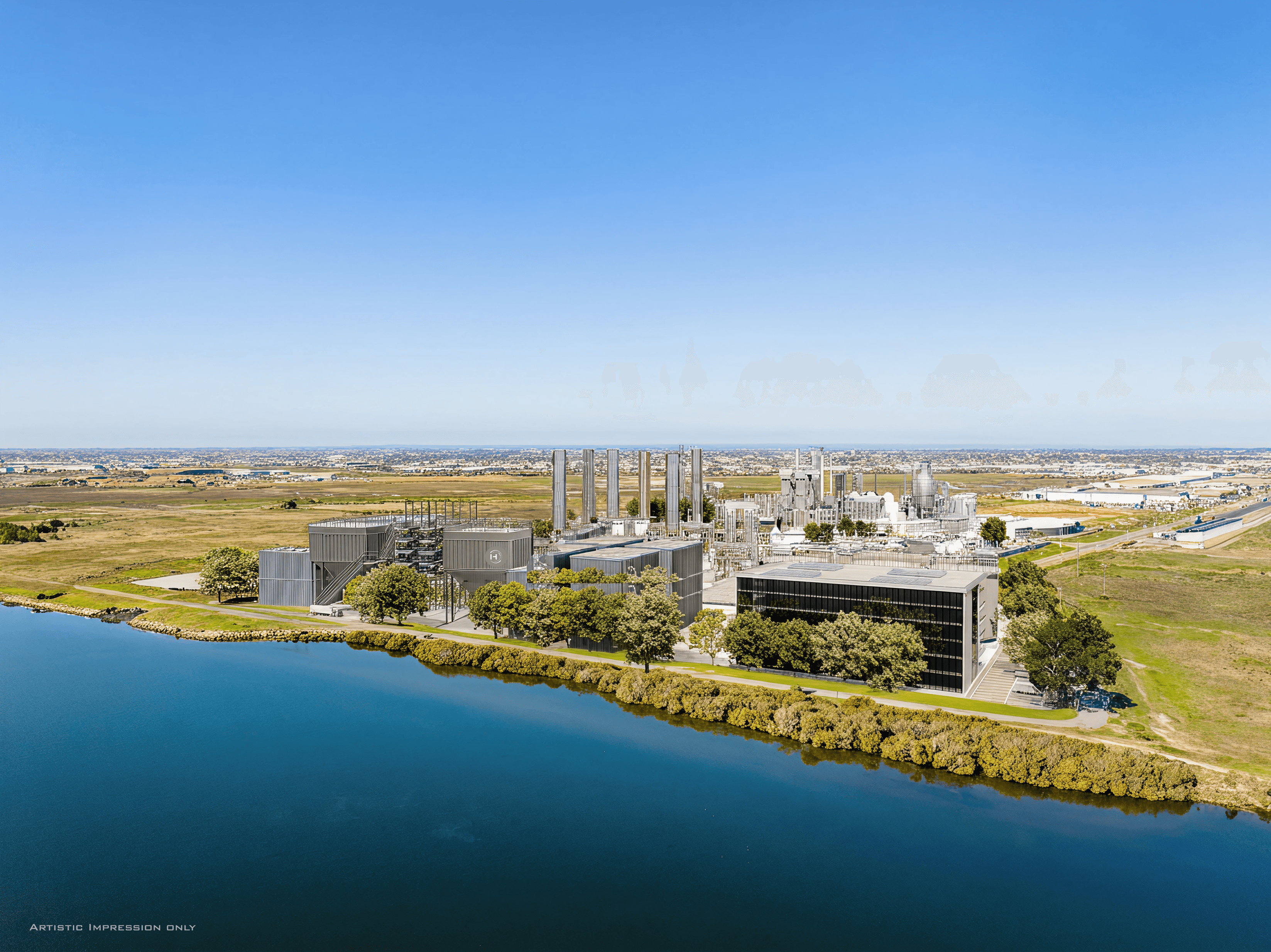
HAMR Energy’s Portland Renewable Fuels will convert forestry residues into 300,000 tonnes per year of green methanol; fuel that can be used directly in ships. We are working with stakeholders across the supply chain to rapidly develop our project.
Robust fuel and sustainability verification will be a key enabler
Zero-net-zero (ZNZ) and surplus credit systems will be the key market levers and the sooner more information on these can be released the better. But they only work if lifecycle analysis, verification and certification are watertight, and if countries harmonise their approaches. These must be done on a fuel agnostic basis which uses life cycle carbon intensity per megajoule as it's foundation. A fragmented or poorly thought through compliance landscape will distort competition, rewarding those who can navigate loopholes rather than those who genuinely decarbonise.
Seafarers and the human transition
Technology shifts must not forget the human factor. The crews who operate, maintain and refuel these vessels are the ones who will actually carry the operational burden of delivering the energy transition for shipping. If they are excluded from the conversation and training, the policy risks technical success but operational failure. This means we cannot waste any time now in conducting operational trials, training, skills development and building out safety protocols to ensure we have the people ready to safely manage the shift to LCLF.
This isn’t solar, it’s supply constrained. Move quickly or miss out
Some hope costs will fall consistently and dramatically as they did for solar power, and it is true that for LCLF, innovation, competition, economies of scale and infrastructure investment will help drive down costs over time. However, this only works up to a point: most alternative fuels are tied to finite feedstocks, not infinite sunlight. This means decarbonisation always will be a supply-constrained game. Proactive players will secure access to the most competitive fuels from the best feedstocks, whereas reactive ones will struggle.
The IMO is showing real leadership: the world owes it to them to pay attention. Players have a choice, see new regulations as an imposition, or you can see them as an opportunity. Naturally those who take the second view will move faster, discover the better solutions and create long term value.
Reach to me or the team at HAMR - Fuelling a Sustainable Future to learn more.
More than just ships, it’s the whole system
Too often, discussions focus on vessel technology while overlooking the mid-stream reality: bunkering and supply chain infrastructure will make or break compliance and success of the measures. If fuel supply chains aren’t ready, many, if not most, vessels will have no option but to burn non-compliant fuel and pay penalties. Helpfully, thanks to a host of emerging analysis from think tanks, leading port authorities, fuel producers and data intelligence agencies, there is already more than enough data for industry stakeholders to start preparing transition plans.
HAMR Energy’s Portland Renewable Fuels will convert forestry residues into 300,000 tonnes per year of green methanol; fuel that can be used directly in ships. We are working with stakeholders across the supply chain to rapidly develop our project.
Robust fuel and sustainability verification will be a key enabler
Zero-net-zero (ZNZ) and surplus credit systems will be the key market levers and the sooner more information on these can be released the better. But they only work if lifecycle analysis, verification and certification are watertight, and if countries harmonise their approaches. These must be done on a fuel agnostic basis which uses life cycle carbon intensity per megajoule as it's foundation. A fragmented or poorly thought through compliance landscape will distort competition, rewarding those who can navigate loopholes rather than those who genuinely decarbonise.
Seafarers and the human transition
Technology shifts must not forget the human factor. The crews who operate, maintain and refuel these vessels are the ones who will actually carry the operational burden of delivering the energy transition for shipping. If they are excluded from the conversation and training, the policy risks technical success but operational failure. This means we cannot waste any time now in conducting operational trials, training, skills development and building out safety protocols to ensure we have the people ready to safely manage the shift to LCLF.
This isn’t solar, it’s supply constrained. Move quickly or miss out
Some hope costs will fall consistently and dramatically as they did for solar power, and it is true that for LCLF, innovation, competition, economies of scale and infrastructure investment will help drive down costs over time. However, this only works up to a point: most alternative fuels are tied to finite feedstocks, not infinite sunlight. This means decarbonisation always will be a supply-constrained game. Proactive players will secure access to the most competitive fuels from the best feedstocks, whereas reactive ones will struggle.
The IMO is showing real leadership: the world owes it to them to pay attention. Players have a choice, see new regulations as an imposition, or you can see them as an opportunity. Naturally those who take the second view will move faster, discover the better solutions and create long term value.
Reach to me or the team at HAMR - Fuelling a Sustainable Future to learn more.
Op-ed from HAMR Energy's Commercial Manager, Donald Fraser
Donald leads commercial strategy at HAMR Energy, a next-generation renewable fuels platform delivering >1 million tons of low-carbon fuel projects across the APAC region, incorporating Sustainable Aviation Fuel (SAF), eFuels and maritime decarbonisation solutions. He also has over 15 years experience working across the shipping and maritime sector.
Opinion Piece by Donald Fraser, HAMR Energy // Also featured in The Daily Cargo News
Op-ed from HAMR Energy's Commercial Manager, Donald Fraser
Donald leads commercial strategy at HAMR Energy, a next-generation renewable fuels platform delivering >1 million tons of low-carbon fuel projects across the APAC region, incorporating Sustainable Aviation Fuel (SAF), eFuels and maritime decarbonisation solutions. He also has over 15 years experience working across the shipping and maritime sector.
Opinion Piece by Donald Fraser, HAMR Energy // Also featured in The Daily Cargo News
OUR LATEST NEWS
OUR LATEST NEWS