NEWS & UPDATES
NEWS & UPDATES
NEWSROOM
A Landmark day for Australia’s Clean Fuel Future. 1.1 Billion Fund Clean Fuel Fund goes live
A Landmark day for Australia’s Clean Fuel Future. 1.1 Billion Fund Clean Fuel Fund goes live
/
/
The Federal Government’s $1.1 billion Cleaner Fuels Program is the decisive action needed to scale low carbon liquid fuels (LCLF) in Australia, creating regional jobs, strengthening fuel security, and driving decarbonisation in the hardest-to-abate sectors.
/
/
The Federal Government’s $1.1 billion Cleaner Fuels Program is the decisive action needed to scale low carbon liquid fuels (LCLF) in Australia, creating regional jobs, strengthening fuel security, and driving decarbonisation in the hardest-to-abate sectors.
/
/
The Federal Government’s $1.1 billion Cleaner Fuels Program is the decisive action needed to scale low carbon liquid fuels (LCLF) in Australia, creating regional jobs, strengthening fuel security, and driving decarbonisation in the hardest-to-abate sectors.
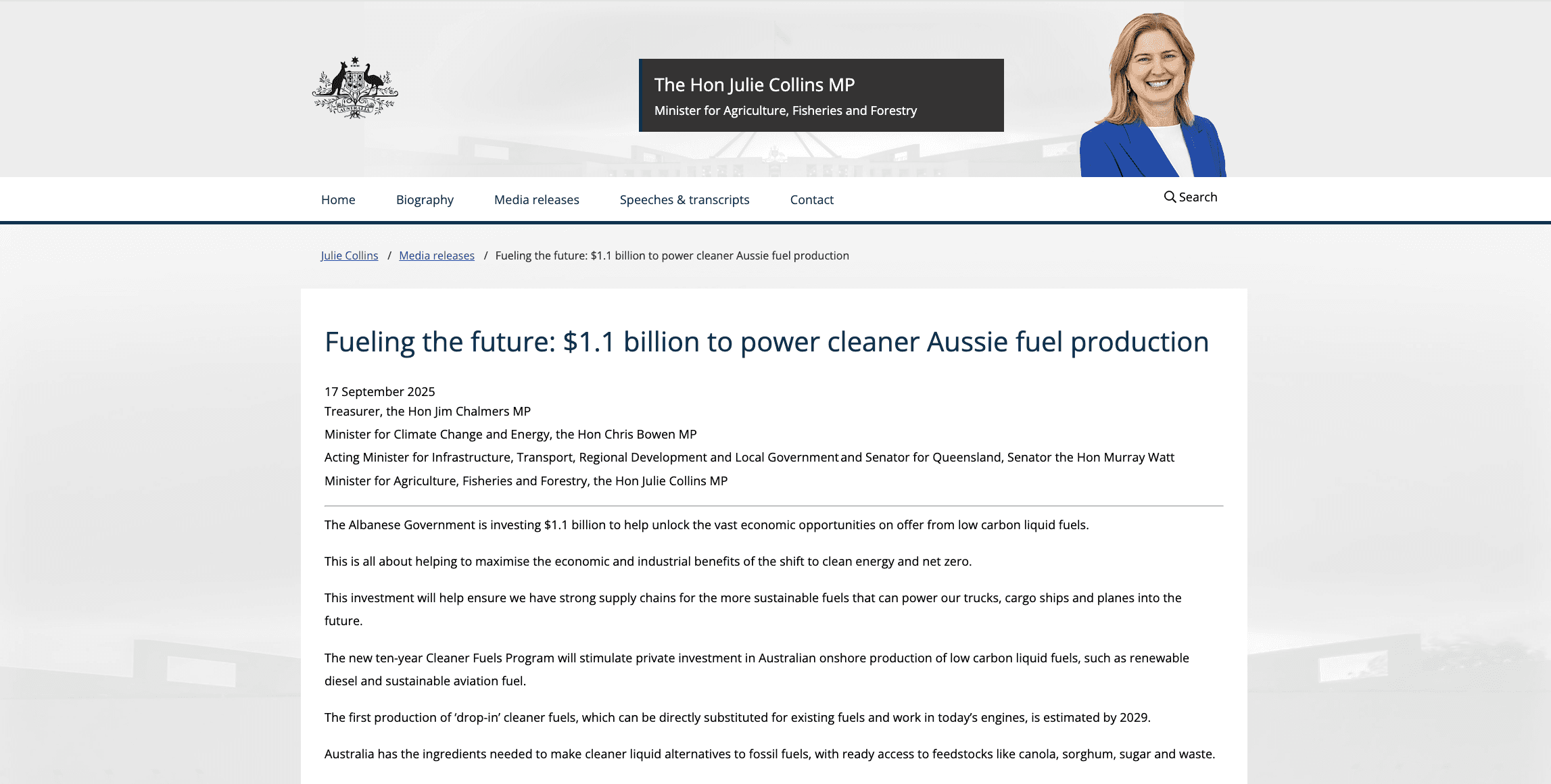
Australian Minister for Agriculture, Fisheries and Forestry Julie Collins explained “Our farmers and foresters have always been innovators and our Government is putting their expertise and world-class production practices at the centre of growing Australia’s low carbon liquid fuel industry... Producing more low carbon liquid fuels right here in Australia won’t just benefit our fuel security and emissions reduction, it will support Australian farmers, foresters and our regions."
Minister Chris Bowen captured the mission perfectly:
“Making cleaner fuels here, from Australian feedstocks, creates the path for emissions reduction in sectors that are hardest to clean up, like plane travel and construction machines.
Across the nation we have 2 billion litres worth of projects in the pipeline, many of which are ready to scale up production. A new thriving domestic industry with more jobs in our regions, from farmers growing the inputs to workers refining the fuels of the future is within our reach.”
At HAMR Energy, we’re excited about what this policy and funding runway will unlock.
Our team has been HAMR-ing away over the last few years building the foundations for a Next Generation Fuel Platform:
At 🔨 HAMR Energy, our team has been building out our Next Generation Fuel Platform:
Unlocking the least carbon-intensive pathway to fuel, turning forestry residues into next-generation fuels (🌲>80% decarbonisation potential vs fossil fuels)
Securing long-term feedstock partnerships with sustainable forestry growers
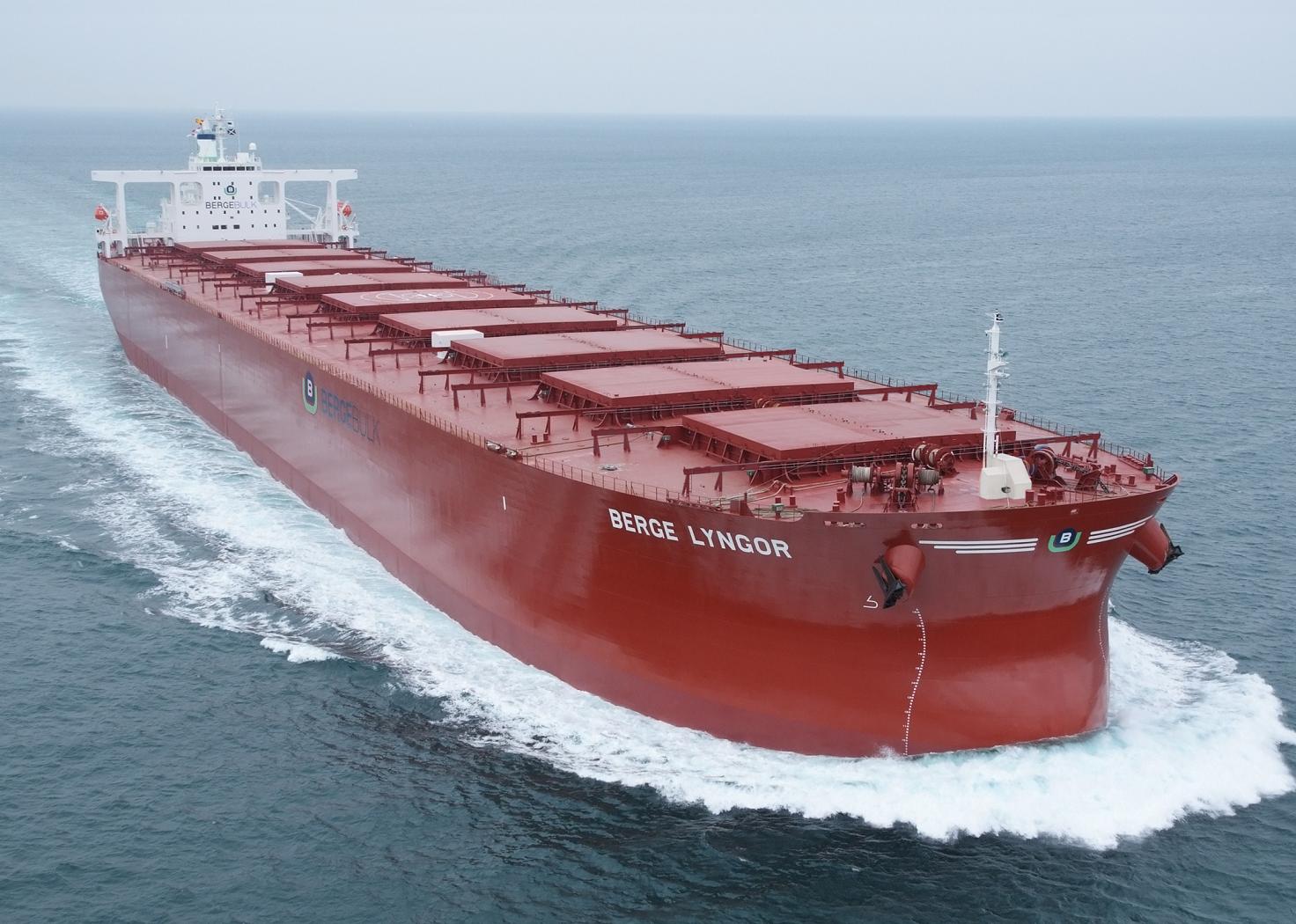
Establishing off-take partnerships with major aviation and shipping partners
Progressing a pipeline of world-scale projects, including Portland Renewable Fuels, the SAF Energy Park Project and projects across WA & NZ
We look forward to supporting the governments ambitions in this sector and being part of this emerging critical industry. Get in touch to learn more about investment or partnership opportunities with HAMR Energy.
Read the full Gov announcement here: https://minister.agriculture.gov.au/collins/media-releases/low-carbon-liquid-fuels
Read HAMR Energy Media Release here:
Australian Minister for Agriculture, Fisheries and Forestry Julie Collins explained “Our farmers and foresters have always been innovators and our Government is putting their expertise and world-class production practices at the centre of growing Australia’s low carbon liquid fuel industry... Producing more low carbon liquid fuels right here in Australia won’t just benefit our fuel security and emissions reduction, it will support Australian farmers, foresters and our regions."
Minister Chris Bowen captured the mission perfectly:
“Making cleaner fuels here, from Australian feedstocks, creates the path for emissions reduction in sectors that are hardest to clean up, like plane travel and construction machines.
Across the nation we have 2 billion litres worth of projects in the pipeline, many of which are ready to scale up production. A new thriving domestic industry with more jobs in our regions, from farmers growing the inputs to workers refining the fuels of the future is within our reach.”
At HAMR Energy, we’re excited about what this policy and funding runway will unlock.
Our team has been HAMR-ing away over the last few years building the foundations for a Next Generation Fuel Platform:
At 🔨 HAMR Energy, our team has been building out our Next Generation Fuel Platform:
Unlocking the least carbon-intensive pathway to fuel, turning forestry residues into next-generation fuels (🌲>80% decarbonisation potential vs fossil fuels)
Securing long-term feedstock partnerships with sustainable forestry growers
Establishing off-take partnerships with major aviation and shipping partners
Progressing a pipeline of world-scale projects, including Portland Renewable Fuels, the SAF Energy Park Project and projects across WA & NZ
We look forward to supporting the governments ambitions in this sector and being part of this emerging critical industry. Get in touch to learn more about investment or partnership opportunities with HAMR Energy.
Read the full Gov announcement here: https://minister.agriculture.gov.au/collins/media-releases/low-carbon-liquid-fuels
Read HAMR Energy Media Release here:
HAMR Energy Media Release // 17 September 2025
Australian Government Cleaner Fuels Program set to supercharge LCLF industry
Leading low carbon liquid fuels (LCLF) company HAMR Energy welcomes the Australian Government’s Cleaner Fuels Program, which will provide $1.1 billion to support the supply of LCLF.
David Stribley, Co-Founder of HAMR Energy, said:
“This is a major boost for LCLF production in Australia, putting in place the incentives so project proponents like HAMR Energy can rapidly scale the industry. The funding clearly recognises the huge opportunity LCLF offers to our country, bringing economic opportunity, bolstering fuel security and decarbonising hard-to-abate industries.
“We have MoUs for our feedstock - locally-sourced forestry residues which will provide an additional income source for that industry; we have strong demand for offtake from shipping and aviation companies; and now there is Federal funding in place that will be catalyst for LCLF production.
“With significant supply-side support, the missing piece of the puzzle is on the demand-side. Globally this is already underway, with the International Maritime Organisation set to introduce a carbon price and international markets adopting SAF mandates. We are looking forward to working with the domestic industry and government to shape policy that ensures sustainable take up from end users.”
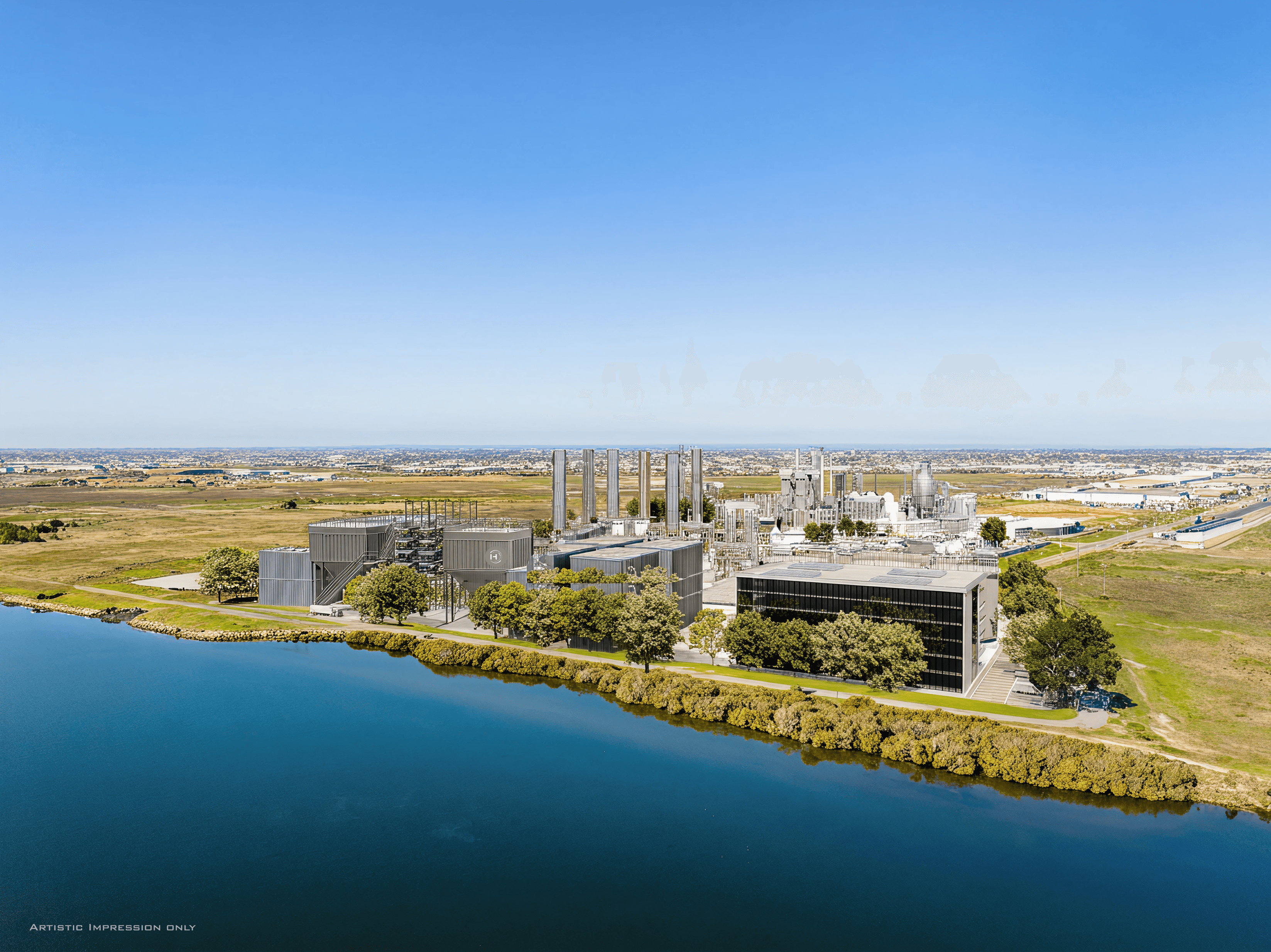
HAMR Energy’s most advanced project, Portland Renewable Fuels, will convert forestry residues and green hydrogen into 300,000 tonnes of low carbon methanol per annum. This methanol can be further refined into sustainable aviation fuel (SAF) or shipping fuel, helping to decarbonise two of the hardest-to-abate global industries.
Portland Renewable Fuels is expected to generate hundreds of construction jobs and dozens of long-term operational roles, attracting hundreds of millions of dollars in investment to regional Victoria.
Projects
HAMR has developed a strong pipeline of opportunities and relationships across the renewable fuels sector, offering a vertically integrated platform that mirrors a traditional fuels business like Exxon. Based in regional areas, the projects will future-proof local economies creating long-term direct jobs and supporting other critical regional industries including forestry and agriculture.
1. Portland Renewable Fuels, Victoria
Investment: A$1.8B
Capacity: 300,000 tons methanol per annum
Feedstock: Residual forestry biomass and renewable hydrogen
Status: Pre-FEED complete
Partners: thyssenkruppe Uhde
Location: Portland, Victoria
2. SAF Energy Park; Methanol-to-Jet
Investment: A$700-800 million
Capacity: 140 million litres SAF/ Renewable Diesel per annum
Feedstock: Low carbon methanol
Status: Feasibility
Partners: Honeywell UOP
Location: Adelaide or Melbourne
3. Great Southern Renewable Fuels
Investment: TBC
Capacity: 200-300,000 tons methanol per annum
Feedstock: Residual forestry biomass and renewable hydrogen
Status: Feasibility complete
Partners: TBC
4. Tasman Renewable Fuels
Investment: TBC
Capacity: 200-300,000 tons methanol per annum
Feedstock: Residual forestry biomass and renewable hydrogen
Status: Feasibility
Partners: TBC
ENDS //
HAMR Energy Media Release // 17 September 2025
Australian Government Cleaner Fuels Program set to supercharge LCLF industry
Leading low carbon liquid fuels (LCLF) company HAMR Energy welcomes the Australian Government’s Cleaner Fuels Program, which will provide $1.1 billion to support the supply of LCLF.
David Stribley, Co-Founder of HAMR Energy, said:
“This is a major boost for LCLF production in Australia, putting in place the incentives so project proponents like HAMR Energy can rapidly scale the industry. The funding clearly recognises the huge opportunity LCLF offers to our country, bringing economic opportunity, bolstering fuel security and decarbonising hard-to-abate industries.
“We have MoUs for our feedstock - locally-sourced forestry residues which will provide an additional income source for that industry; we have strong demand for offtake from shipping and aviation companies; and now there is Federal funding in place that will be catalyst for LCLF production.
“With significant supply-side support, the missing piece of the puzzle is on the demand-side. Globally this is already underway, with the International Maritime Organisation set to introduce a carbon price and international markets adopting SAF mandates. We are looking forward to working with the domestic industry and government to shape policy that ensures sustainable take up from end users.”
HAMR Energy’s most advanced project, Portland Renewable Fuels, will convert forestry residues and green hydrogen into 300,000 tonnes of low carbon methanol per annum. This methanol can be further refined into sustainable aviation fuel (SAF) or shipping fuel, helping to decarbonise two of the hardest-to-abate global industries.
Portland Renewable Fuels is expected to generate hundreds of construction jobs and dozens of long-term operational roles, attracting hundreds of millions of dollars in investment to regional Victoria.
Projects
HAMR has developed a strong pipeline of opportunities and relationships across the renewable fuels sector, offering a vertically integrated platform that mirrors a traditional fuels business like Exxon. Based in regional areas, the projects will future-proof local economies creating long-term direct jobs and supporting other critical regional industries including forestry and agriculture.
1. Portland Renewable Fuels, Victoria
Investment: A$1.8B
Capacity: 300,000 tons methanol per annum
Feedstock: Residual forestry biomass and renewable hydrogen
Status: Pre-FEED complete
Partners: thyssenkruppe Uhde
Location: Portland, Victoria
2. SAF Energy Park; Methanol-to-Jet
Investment: A$700-800 million
Capacity: 140 million litres SAF/ Renewable Diesel per annum
Feedstock: Low carbon methanol
Status: Feasibility
Partners: Honeywell UOP
Location: Adelaide or Melbourne
3. Great Southern Renewable Fuels
Investment: TBC
Capacity: 200-300,000 tons methanol per annum
Feedstock: Residual forestry biomass and renewable hydrogen
Status: Feasibility complete
Partners: TBC
4. Tasman Renewable Fuels
Investment: TBC
Capacity: 200-300,000 tons methanol per annum
Feedstock: Residual forestry biomass and renewable hydrogen
Status: Feasibility
Partners: TBC
ENDS //
About HAMR Energy
About HAMR Energy
OUR LATEST NEWS
OUR LATEST NEWS