FLAGSHIP: PROJECT SHEARWATER
Portland Renewable Fuels
Portland, Victoria
A cutting-edge facility in Portland, Victoria converting residual forestry biomass and renewable energy into low-carbon methanol, a versatile sustainable fuel and chemical feedstock.
PRODUCTION RATE
Amount
300 ktpa
PRODUCTION RATE
Early FEED
PROJECT STAGE
Biomass to Methanol
PATHWAY
180+
JOBS CREATED
PRODUCTION RATE
Amount
PRODUCTION RATE
300 ktpa
PROJECT STAGE
Early FEED
PATHWAY
Biomass to Methanol
JOBS CREATED
180+
Victoria or South Australia
Victoria or South Australia
Victoria or South Australia
About Project
About Project
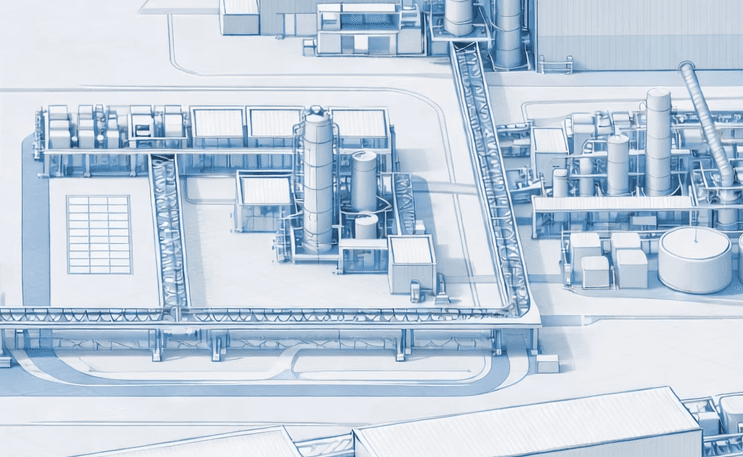
Portland Renewable Fuels (PRF) is a world-scale, low-carbon methanol facility.
The plant will process over 500,000 tonnes of under-utilised forestry residues and integrate a 200MW+ electrolyser to produce 300,000 tonnes of low carbon methanol per annum. This methanol can be transported to HAMR Energy’s SAF Energy Park to be refined into sustainable aviation fuel (SAF) or other products such as Renewable Diesel. Alternatively, it can also serve as a critical "renewable crude" that can be used directly as a clean shipping fuel or chemical feedstock.
HAMR's unique process combines residual forestry biomass and renewable energy to create an Australian made, scalable supply-chain for the next generation of clean fuels.
Portland Renewable Fuels (PRF) is a world-scale, low-carbon methanol facility.
The plant will process over 500,000 tonnes of under-utilised forestry residues and integrate a 200MW+ electrolyser to produce 300,000 tonnes of low carbon methanol per annum. This methanol can be transported to HAMR Energy’s SAF Energy Park to be refined into sustainable aviation fuel (SAF) or other products such as Renewable Diesel. Alternatively, it can also serve as a critical "renewable crude" that can be used directly as a clean shipping fuel or chemical feedstock.
HAMR's unique process combines residual forestry biomass and renewable energy to create an Australian made, scalable supply-chain for the next generation of clean fuels.
Portland Renewable Fuels (PRF) is a world-scale, low-carbon methanol facility.
The plant will process over 500,000 tonnes of under-utilised forestry residues and integrate a 200MW+ electrolyser to produce 300,000 tonnes of low carbon methanol per annum. This methanol can be transported to HAMR Energy’s SAF Energy Park to be refined into sustainable aviation fuel (SAF) or other products such as Renewable Diesel. Alternatively, it can also serve as a critical "renewable crude" that can be used directly as a clean shipping fuel or chemical feedstock.
HAMR's unique process combines residual forestry biomass and renewable energy to create an Australian made, scalable supply-chain for the next generation of clean fuels.
Scale & Impact: 300,000 tonnes of low carbon methanol per year abating 350,000 tonnes of carbon emissions
Proven Technology: Built with commercial, scalable technology partner thyssenKrupp Uhde
Feedstock Security: Agreements in place covering > 100% of required biomass
Strategic Location: Portland, Victoria – skilled Local workforce, abundant biomass supply and deep-water port access
Scale & Impact: 300,000 tonnes of low carbon methanol per year abating 350,000 tonnes of carbon emissions
Proven Technology: Built with commercial, scalable technology partner thyssenKrupp Uhde
Feedstock Security: Agreements in place covering > 100% of required biomass
Strategic Location: Portland, Victoria – skilled Local workforce, abundant biomass supply and deep-water port access
Project Timeline
Project Timeline
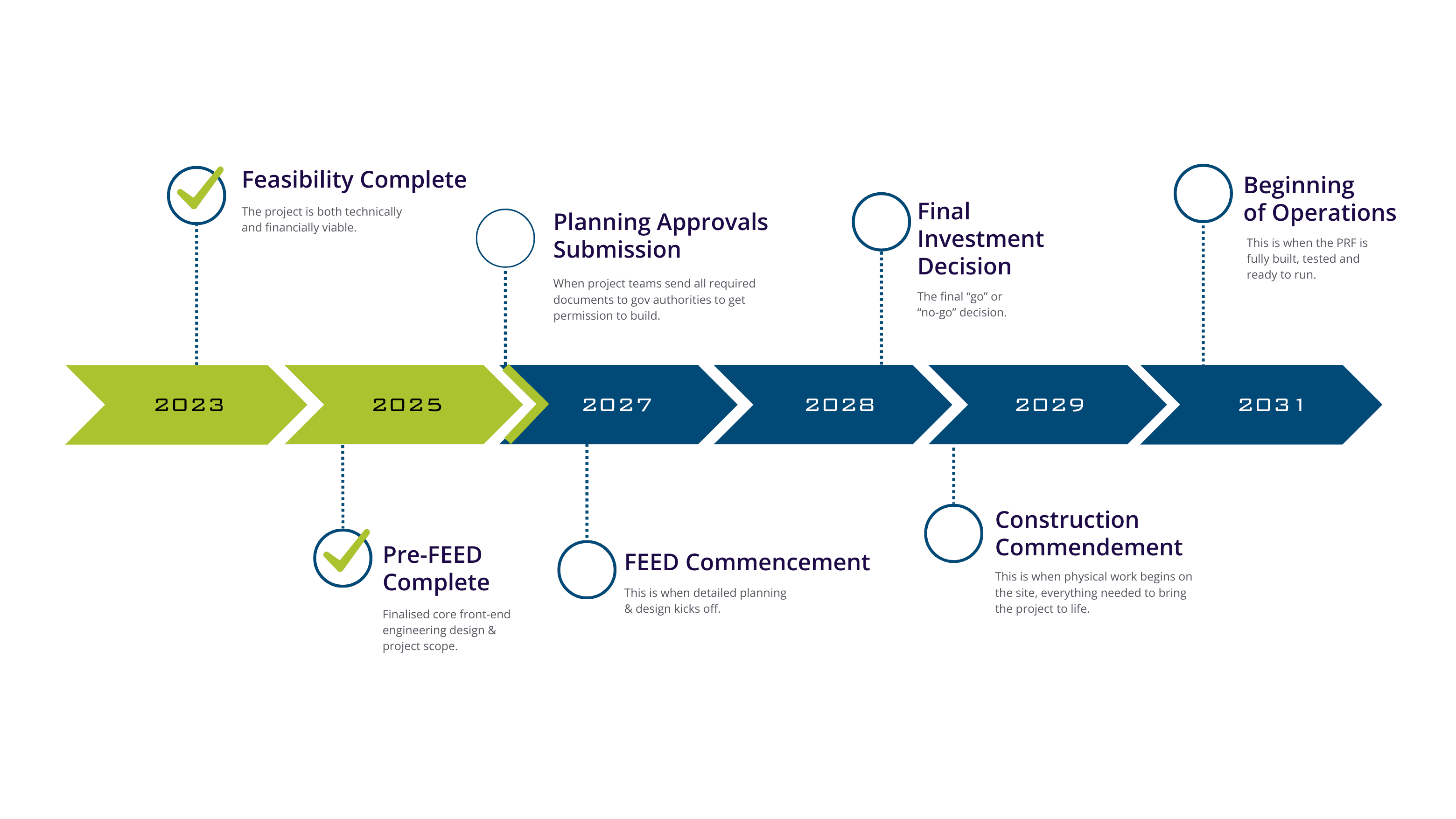
PRF has recently completed Pre-FEED with thyssenkrupp Uhde, meaning we've finalised the core front-end engineering design and project scope. The first production of low carbon methanol is expected to commence by 2031.
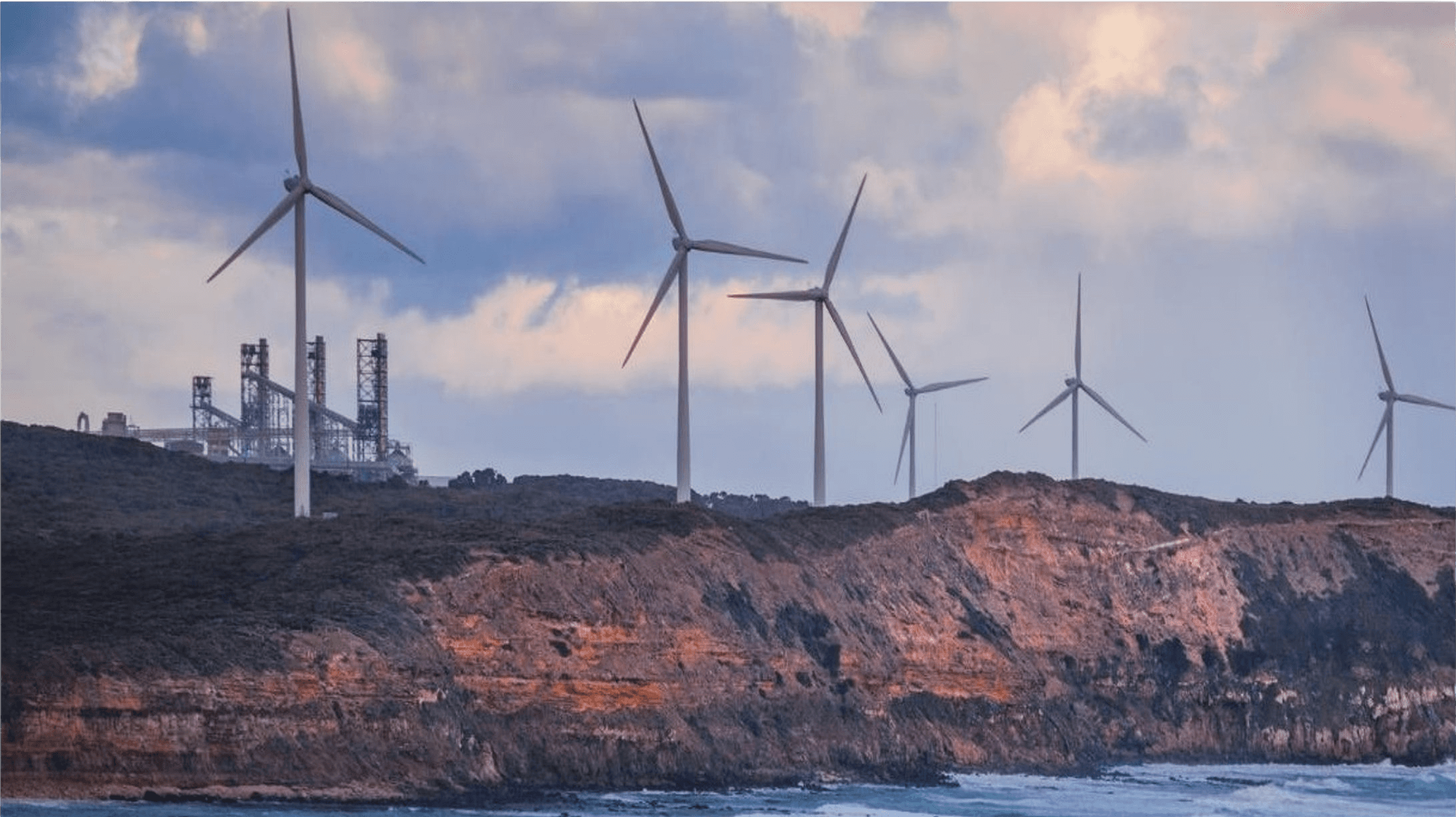
Strategically located in Portland, Victoria, at the heart of the Green Triangle, Australia’s largest sustainable plantation forestry region. The project is uniquely positioned to leverage a local industrial workforce, supply chain, abundant under-utilised forestry biomass, renewable energy resources and a deep- sea port for export.
With strong road and rail links and local renewable generation potential, Portland is a natural hub for a clean-fuels export industry.
The Location
The Location
Strategically located in Portland, Victoria, at the heart of the Green Triangle, Australia’s largest sustainable plantation forestry region. The project is uniquely positioned to leverage a local industrial workforce, supply chain, abundant under-utilised forestry biomass, renewable energy resources and a deep- sea port for export.
With strong road and rail links and local renewable generation potential, Portland is a natural hub for a clean-fuels export industry.
PRF has recently completed Pre-FEED with thyssenkrupp Uhde, meaning we've finalised the core front-end engineering design and project scope. The first production of low carbon methanol is expected to commence by 2031.
PRF has recently completed Pre-FEED with thyssenkrupp Uhde, meaning we've finalised the core front-end engineering design and project scope. The first production of low carbon methanol is expected to commence by 2031.
The Location
Strategically located in Portland, Victoria, at the heart of the Green Triangle, Australia’s largest sustainable plantation forestry region. The project is uniquely positioned to leverage a local industrial workforce, supply chain, abundant under-utilised forestry biomass, renewable energy resources and a deep- sea port for export.
With strong road and rail links and local renewable generation potential, Portland is a natural hub for a clean-fuels export industry.
World Leading Partnerships
We partner with the world’s most trusted names in engineering, technology and forestry to ensure financial bankability and operational reliability.
 |  |
|---|---|
thyssenkrupp Uhde provides the integrated biomass-to-methanol solution featuring proprietary PRENFLO® gasification and uhde® green methanol technology. | One of our strategic feedstock partners providing long-term sustainable biomass supply from the Green Triangle region. |
Feedstock Supply
PRF’s uses under-utilised forestry biomass, such as harvest offcuts and thinning’s as its feedstock. These are, sourced directly from the Green Triangle. This byproduct of the timber industry provides a scalable, sustainable carbon source for our renewable methanol production.
Key Benefits include:
Abundant & Reliable: Ligneous biomass supplies are orders of magnitude larger than many other feedstocks, enabling scale
Sustainable Feedstock Alternative: This pathway can achieve >80% emissions reductions vs fossil fuels.
New Value Stream: Using under-utilised residues creates new local value without competing with food or high-value wood products.
Location
LOCATION
Portland, Victoria
Project Stage
PROJECT STAGE
Early FEED
Production Rate
PRODUCTION RATE
300 ktpa
Pathway
PATHWAY
Biomass to Methanol
Jobs Creation
JOBS CREATED
180+
Location
Portland, Victoria
Project Stage
Early FEED
Production Rate
300 ktpa
Pathway
Biomass to Methanol
Jobs Creation
180+



LOCATION
Portland, Victoria
PRODUCTION RATE
300 KTPA
PROJECT STAGE
Early FEED
PATHWAY
Biomass to Methanol
JOBS CREATED
180+
OUR PROJECTS
OUR PROJECTS