NEWS & UPDATES
NEWS & UPDATES
NEWSROOM
HAMR Closes $10M Series A with Backing from Qantas, Airbus and thyssenkrupp Uhde
HAMR Closes $10M Series A with Backing from Qantas, Airbus and thyssenkrupp Uhde
/
HAMR Energy, Qantas, Airbus & thyssenkrupp Uhde
/
8 mins
Media Release: HAMR Energy Closes $10M Series A with Backing from Global Leaders Qantas, Airbus and thyssenkrupp Uhde to Deliver Low-Carbon Fuels in Australia
/
HAMR Energy, Qantas, Airbus & thyssenkrupp Uhde
/
8 mins
Media Release: HAMR Energy Closes $10M Series A with Backing from Global Leaders Qantas, Airbus and thyssenkrupp Uhde to Deliver Low-Carbon Fuels in Australia
/
HAMR Energy, Qantas, Airbus & thyssenkrupp Uhde
/
8 mins
Media Release: HAMR Energy Closes $10M Series A with Backing from Global Leaders Qantas, Airbus and thyssenkrupp Uhde to Deliver Low-Carbon Fuels in Australia
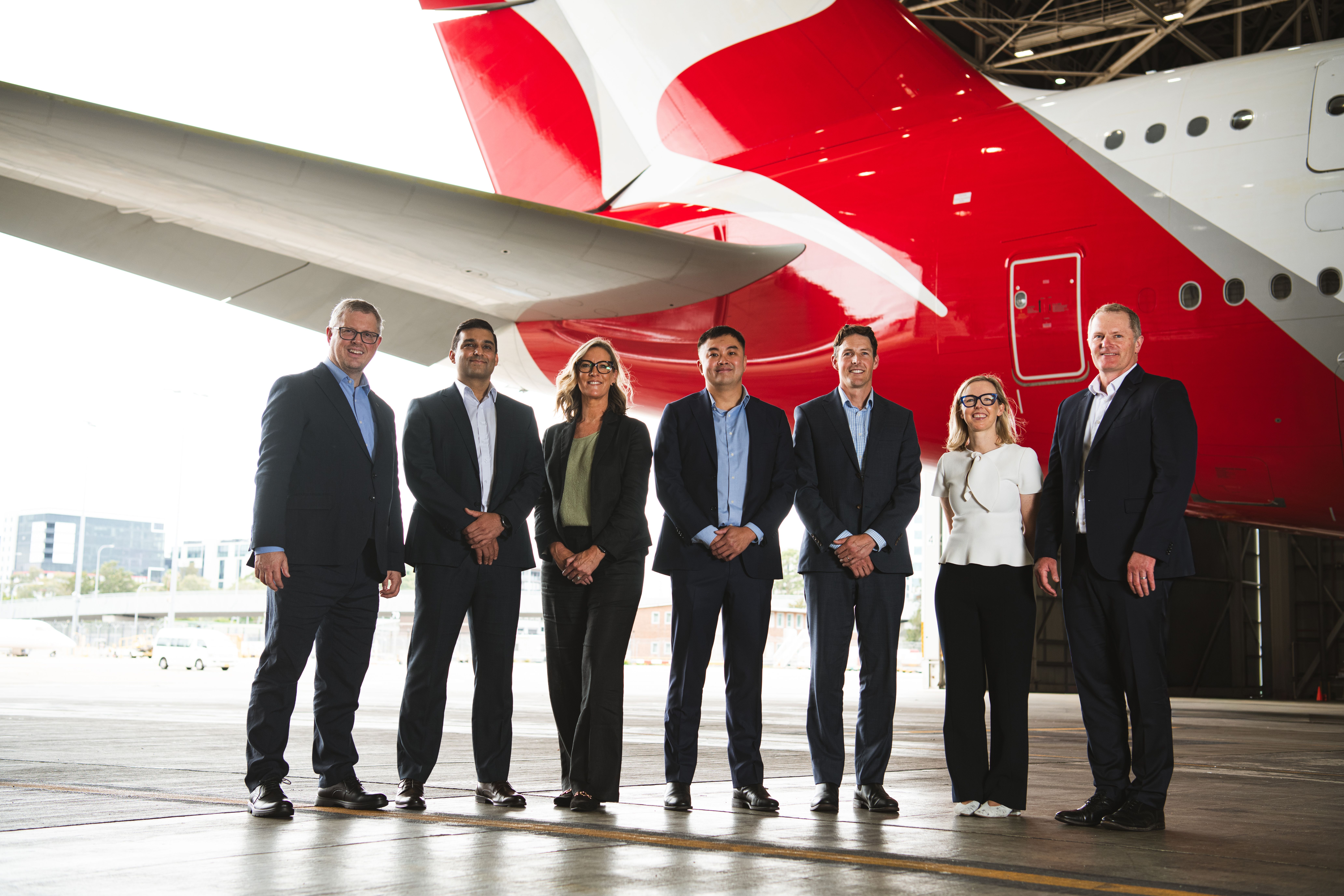
From left to right: Stephen Forshaw (Airbus Chief Representative, Australia, New Zealand and the Pacific), Karan Bagga (thyssenkrupp Uhde, CTO & Director), Chelsea Rossney (Honeywell, Chief Commercial Officer, Pacific), Nick Chan (OneFortyOne, Director of Corporate Strategy), David Stribley (HAMR Energy, Founder and Director), Fiona Messent (Qantas, Group Chief Sustainability Officer), Alex Smith (HAMR Energy, Founder and Director)
HAMR Energy Media Release:
Leading Australian low carbon liquid fuels (LCLF) company HAMR Energy today announced the successful close of its AUD 10 million Series A funding round, securing investment from major aviation companies Airbus and Qantas, as well as leading global industrial firm thyssenkrupp Uhde.
The investment marks a critical milestone as HAMR Energy advances its pipeline of LCLF projects which convert plantation forestry residues into fuel to decarbonise hard-to-abate transport including shipping and aviation. In further support of the project, Honeywell will provide its innovative UOP eFining™ process technology and expertise to enable renewable fuel production from methanol – a major breakthrough for the aviation industry.
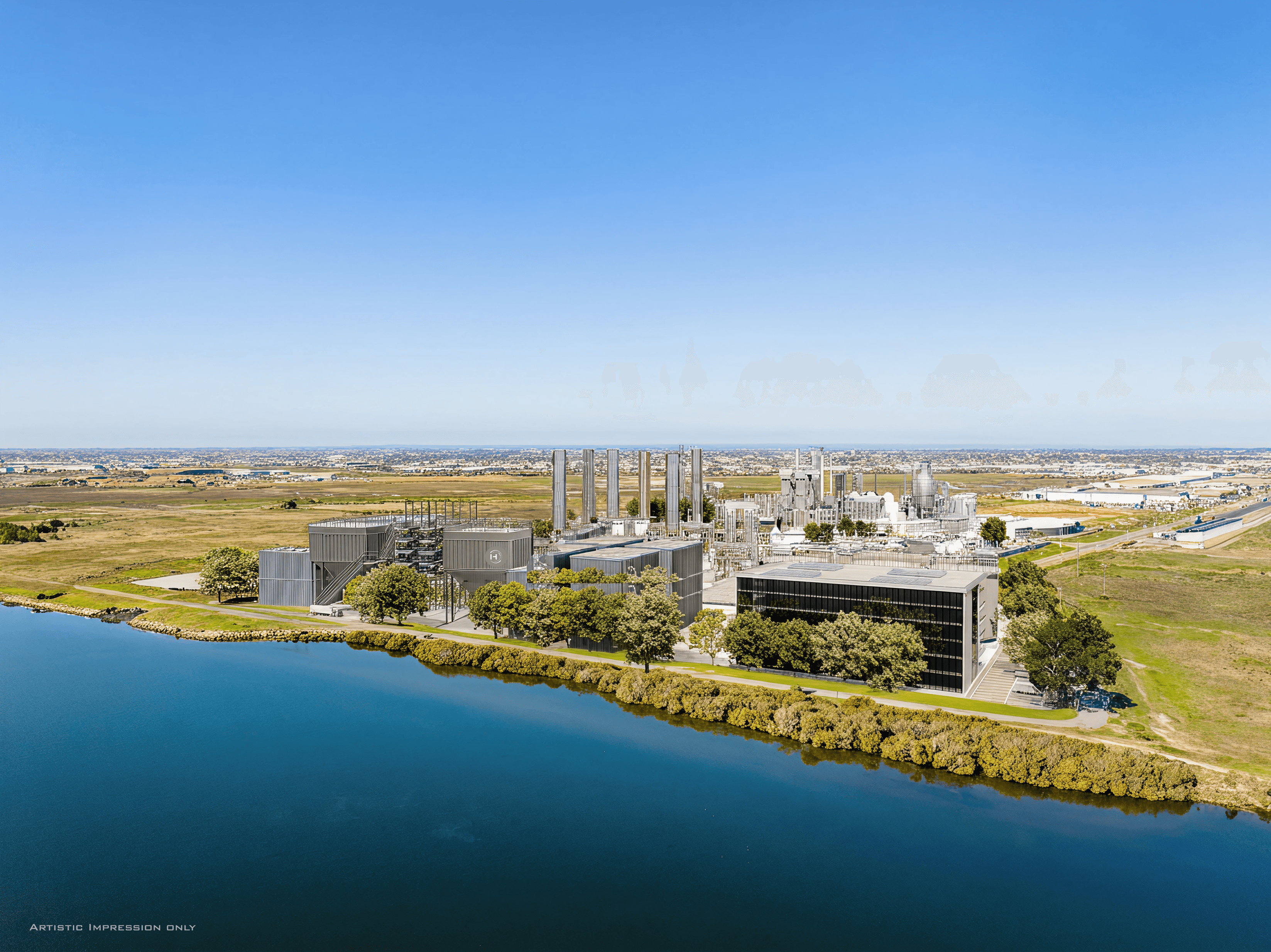
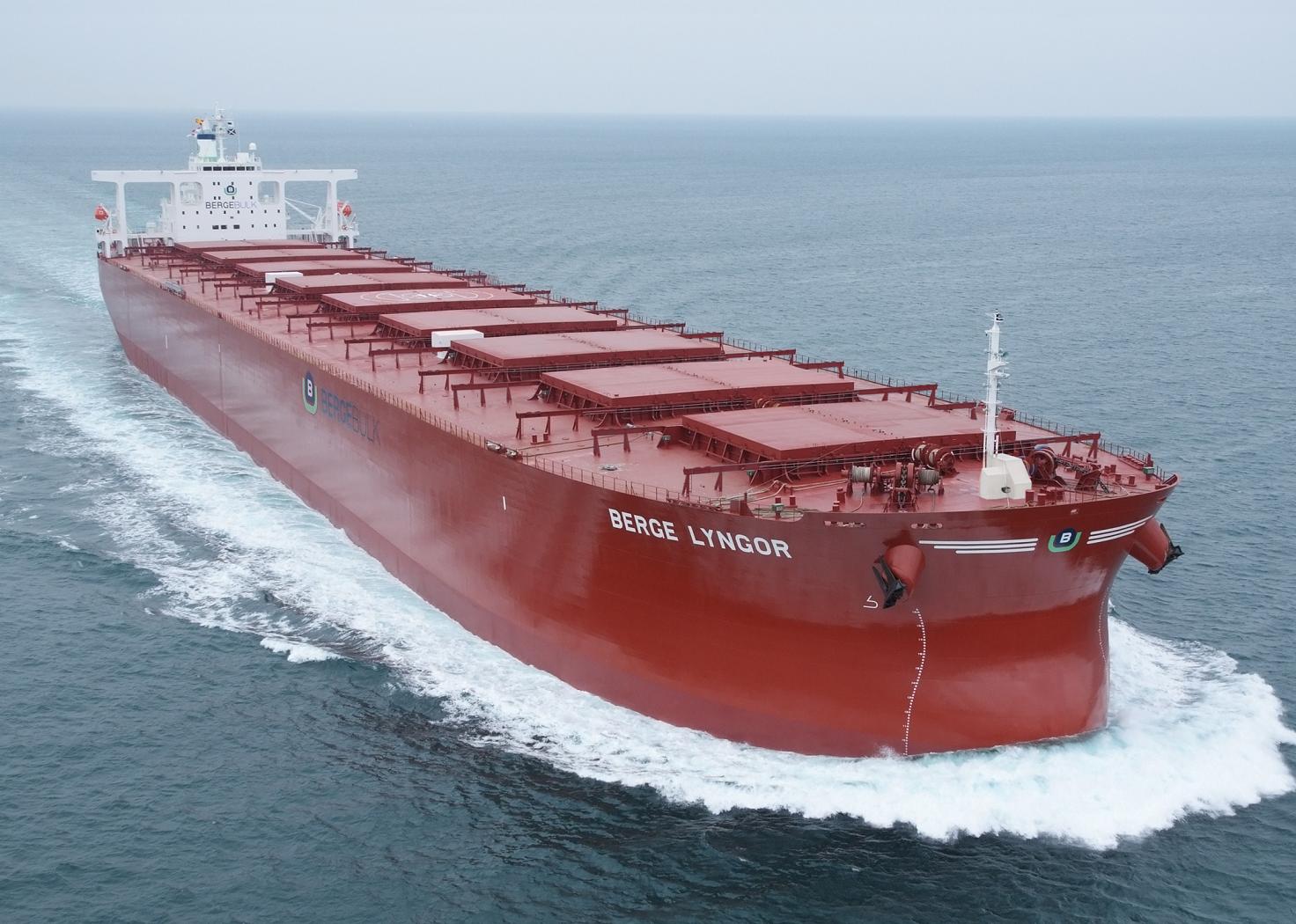
HAMR Energy’s flagship project, Portland Renewable Fuels (PRF), in regional Victoria will use residues from the local plantation forestry industry to produce 300,000 tonnes per annum of low carbon methanol. This methanol can be used directly as a shipping fuel or converted into sustainable aviation fuel (SAF), helping close the global SAF supply gap, strengthening Australian fuel security and supporting the country’s transition to cleaner energy.
With global SAF demand estimated to reach 500 million tonnes by 2050 (*Source: IATA), HAMR Energy’s projects could play a pivotal role in production in Australia. The sector will deliver AUD 13.1 billion in Gross Value Add and create or sustain 70,000 jobs, according to a study by ICF (*Source: ICF report) commissioned by Qantas and Airbus.
In addition to PRF, HAMR Energy is developing Australia’s first major methanol-to-jet fuel facility which will have the capacity to convert methanol into more than 135 million litres of SAF annually. It will create hundreds of jobs in construction and up to 130 long-term operational roles once established, enhancing Australia’s resilience and self-sufficiency in aviation fuel supply.
HAMR Energy’s experienced executive team has deep expertise in global fuel markets and complex energy projects. They have designed an innovative, vertically integrated production model to meet the needs of customers by using existing byproducts with Memorandums of Understanding for long-term supply agreements with partners including sustainable plantation forestry company OneFortyOne. This method offers lower lifecycle emissions than alternative feedstocks and utilises proven technology to produce highly competitive fuels.
The investment from Qantas and Airbus will be taken from their joint Australian Sustainable Aviation Fuel investment fund and existing investors have recommitted.
David Stribley, Co-Founder of HAMR Energy, said: “This funding round is a pivotal moment for HAMR Energy and for Australia’s clean energy future. With the backing of world-class partners, we are advancing projects to deliver the lowest-cost, lowest-carbon fuels to decarbonise aviation and shipping at scale. This investment will help us play an important part in realising Australia’s goals of establishing an LCLF industry.”
Fiona Messent, Qantas Group Chief Sustainability Officer, said: “Building sustainable aviation fuel supply in Australia is essential to meeting our decarbonisation targets and reducing aviation's emissions. But the benefits extend well beyond our industry - a domestic SAF sector means jobs, regional investment, and economic growth across Australia. HAMR Energy's vertically integrated approach represents a significant step forward, and we're proud to support production that will help establish this critical local industry."
Stephen Forshaw, Airbus Chief Representative, Australia, New Zealand and the Pacific, said: “Airbus sees HAMR Energy’s innovative approach to producing SAF from methanol as a very interesting technology pathway, which can help accelerate the industry’s transition to sustainable fuels. We are also excited to support the development of this proposed project in Victoria. Developing low carbon fuel production in more of Australia’s states has the potential to create broad access for offtakers across the country - so important when we consider the reach of our industry.”
Nadja Håkansson, CEO, thyssenkrupp Uhde GmbH, said “This is an important milestone for the future of renewable fuels in Australia. For us at thyssenkrupp Uhde, it’s a great example of how our technology and project delivery capabilities can help turn ambitious concepts into industrial reality - thanks to the great collaboration with HAMR and all partners involved. Projects like this succeed when developers, technology partners, execution experts, and future offtakers work hand in hand from the very beginning. Joining forces across the entire ecosystem is what creates real world impact.”
Rajesh Gattupalli, President of Honeywell UOP, said: “Honeywell's extensive technical expertise and practical experience in SAF have enabled us to identify innovative ways in which flexible feedstocks can be used to support aviation's energy transition. Our agreement with HAMR Energy marks the first commercial license in the Pacific region for SAF production using Honeywell's eFining process technology. This initiative highlights our commitment to supporting the responsible growth of the global aviation sector and propelling efforts toward a low-carbon future.”
Nick Chan, Director of Corporate Strategy at OneFortyOne, said: “The success of HAMR Energy’s project will be a defining moment for the plantation forestry industry in Australia, supporting diversification into new markets for our residual wood products. OneFortyOne is uniquely positioned to lead as a feedstock partner in this low-carbon liquid fuels space, thanks to the sustainability, scale and consistency of our supply, year-round operations, and well established infrastructure and supply chains.”
*Source ICF Report: https://www.qantas.com/content/dam/qantas/pdfs/qantas-group/icf-report-australia-saf-policy-analysis-nov23.pdf
— ENDS —
HAMR Energy Media Release:
Leading Australian low carbon liquid fuels (LCLF) company HAMR Energy today announced the successful close of its AUD 10 million Series A funding round, securing investment from major aviation companies Airbus and Qantas, as well as leading global industrial firm thyssenkrupp Uhde.
The investment marks a critical milestone as HAMR Energy advances its pipeline of LCLF projects which convert plantation forestry residues into fuel to decarbonise hard-to-abate transport including shipping and aviation. In further support of the project, Honeywell will provide its innovative UOP eFining™ process technology and expertise to enable renewable fuel production from methanol – a major breakthrough for the aviation industry.
HAMR Energy’s flagship project, Portland Renewable Fuels (PRF), in regional Victoria will use residues from the local plantation forestry industry to produce 300,000 tonnes per annum of low carbon methanol. This methanol can be used directly as a shipping fuel or converted into sustainable aviation fuel (SAF), helping close the global SAF supply gap, strengthening Australian fuel security and supporting the country’s transition to cleaner energy.
With global SAF demand estimated to reach 500 million tonnes by 2050 (*Source: IATA), HAMR Energy’s projects could play a pivotal role in production in Australia. The sector will deliver AUD 13.1 billion in Gross Value Add and create or sustain 70,000 jobs, according to a study by ICF (*Source: ICF report) commissioned by Qantas and Airbus.
In addition to PRF, HAMR Energy is developing Australia’s first major methanol-to-jet fuel facility which will have the capacity to convert methanol into more than 135 million litres of SAF annually. It will create hundreds of jobs in construction and up to 130 long-term operational roles once established, enhancing Australia’s resilience and self-sufficiency in aviation fuel supply.
HAMR Energy’s experienced executive team has deep expertise in global fuel markets and complex energy projects. They have designed an innovative, vertically integrated production model to meet the needs of customers by using existing byproducts with Memorandums of Understanding for long-term supply agreements with partners including sustainable plantation forestry company OneFortyOne. This method offers lower lifecycle emissions than alternative feedstocks and utilises proven technology to produce highly competitive fuels.
The investment from Qantas and Airbus will be taken from their joint Australian Sustainable Aviation Fuel investment fund and existing investors have recommitted.
David Stribley, Co-Founder of HAMR Energy, said: “This funding round is a pivotal moment for HAMR Energy and for Australia’s clean energy future. With the backing of world-class partners, we are advancing projects to deliver the lowest-cost, lowest-carbon fuels to decarbonise aviation and shipping at scale. This investment will help us play an important part in realising Australia’s goals of establishing an LCLF industry.”
Fiona Messent, Qantas Group Chief Sustainability Officer, said: “Building sustainable aviation fuel supply in Australia is essential to meeting our decarbonisation targets and reducing aviation's emissions. But the benefits extend well beyond our industry - a domestic SAF sector means jobs, regional investment, and economic growth across Australia. HAMR Energy's vertically integrated approach represents a significant step forward, and we're proud to support production that will help establish this critical local industry."
Stephen Forshaw, Airbus Chief Representative, Australia, New Zealand and the Pacific, said: “Airbus sees HAMR Energy’s innovative approach to producing SAF from methanol as a very interesting technology pathway, which can help accelerate the industry’s transition to sustainable fuels. We are also excited to support the development of this proposed project in Victoria. Developing low carbon fuel production in more of Australia’s states has the potential to create broad access for offtakers across the country - so important when we consider the reach of our industry.”
Nadja Håkansson, CEO, thyssenkrupp Uhde GmbH, said “This is an important milestone for the future of renewable fuels in Australia. For us at thyssenkrupp Uhde, it’s a great example of how our technology and project delivery capabilities can help turn ambitious concepts into industrial reality - thanks to the great collaboration with HAMR and all partners involved. Projects like this succeed when developers, technology partners, execution experts, and future offtakers work hand in hand from the very beginning. Joining forces across the entire ecosystem is what creates real world impact.”
Rajesh Gattupalli, President of Honeywell UOP, said: “Honeywell's extensive technical expertise and practical experience in SAF have enabled us to identify innovative ways in which flexible feedstocks can be used to support aviation's energy transition. Our agreement with HAMR Energy marks the first commercial license in the Pacific region for SAF production using Honeywell's eFining process technology. This initiative highlights our commitment to supporting the responsible growth of the global aviation sector and propelling efforts toward a low-carbon future.”
Nick Chan, Director of Corporate Strategy at OneFortyOne, said: “The success of HAMR Energy’s project will be a defining moment for the plantation forestry industry in Australia, supporting diversification into new markets for our residual wood products. OneFortyOne is uniquely positioned to lead as a feedstock partner in this low-carbon liquid fuels space, thanks to the sustainability, scale and consistency of our supply, year-round operations, and well established infrastructure and supply chains.”
*Source ICF Report: https://www.qantas.com/content/dam/qantas/pdfs/qantas-group/icf-report-australia-saf-policy-analysis-nov23.pdf
— ENDS —
MEDIA ENQUIRIES
Nick Albrow
nalbrow@pattersonadvisory.com.au
+61 408 681 499
MEDIA ENQUIRIES
Nick Albrow
nalbrow@pattersonadvisory.com.au
+61 408 681 499
Building sustainable aviation fuel supply in Australia is essential to meeting our decarbonisation targets and reducing aviation's emissions. But the benefits extend well beyond our industry - a domestic SAF sector means jobs, regional investment, and economic growth across Australia. HAMR Energy's vertically integrated approach represents a significant step forward, and we're proud to support production that will help establish this critical local industry. - Fiona Messent, Qantas Group Chief Sustainability Officer
Building sustainable aviation fuel supply in Australia is essential to meeting our decarbonisation targets and reducing aviation's emissions. But the benefits extend well beyond our industry - a domestic SAF sector means jobs, regional investment, and economic growth across Australia. HAMR Energy's vertically integrated approach represents a significant step forward, and we're proud to support production that will help establish this critical local industry. - Fiona Messent, Qantas Group Chief Sustainability Officer
Building sustainable aviation fuel supply in Australia is essential to meeting our decarbonisation targets and reducing aviation's emissions. But the benefits extend well beyond our industry - a domestic SAF sector means jobs, regional investment, and economic growth across Australia. HAMR Energy's vertically integrated approach represents a significant step forward, and we're proud to support production that will help establish this critical local industry. - Fiona Messent, Qantas Group Chief Sustainability Officer
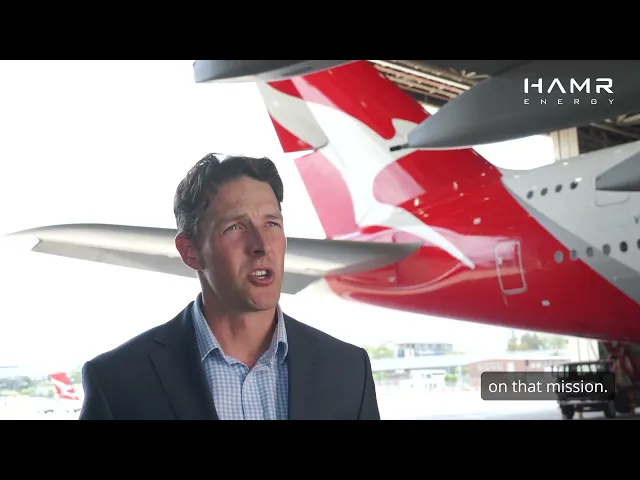
HAMR Closes Series A - Why are you backing HAMR Energy?
What's Next for HAMR Energy?
HAMR Closes Series A - Why are you backing HAMR Energy?
What's Next for HAMR Energy?
About HAMR Energy
About HAMR Energy
About Partners
About Partners
OUR LATEST NEWS
OUR LATEST NEWS