
NEWS & UPDATES
NEWS & UPDATES
NEWSROOM
HAMR Energy supports Shanghai–Melbourne Green Shipping Corridor as it moves into implementation
HAMR Energy supports Shanghai–Melbourne Green Shipping Corridor as it moves into implementation
/
HAMR Energy
/
3 mins
The corridor’s new Implementation Plan sets out a pathway for low-carbon fuels between Australia and China.
/
HAMR Energy
/
3 mins
The corridor’s new Implementation Plan sets out a pathway for low-carbon fuels between Australia and China.
/
HAMR Energy
/
3 mins
The corridor’s new Implementation Plan sets out a pathway for low-carbon fuels between Australia and China.

Image source: SIPG
The Port of Melbourne, the Port of Shanghai and C40 Cities have launched the Implementation Plan for the Shanghai–Melbourne Green Shipping Corridor. The plan moves the corridor beyond the MoU signed at the 2025 North Bund Forum and into practical delivery.
The plan focuses on four areas:
Alternative fuels, including green methanol and biofuels
Shore power at the Port of Melbourne
Digital port and voyage optimisation
Integrated supply chain cooperation
Its central goal is to deploy one or more container vessels powered by non-fossil, low-carbon fuels on the route by 2035.
HAMR Energy is one of the energy partners supporting fuel production and supply, alongside ABEL Energy and Shenergy. The wider corridor brings together the Shanghai Municipal Transportation Commission, Shanghai International Port Group, COSCO Shipping Lines and China Classification Society, with C40 Cities as facilitator.
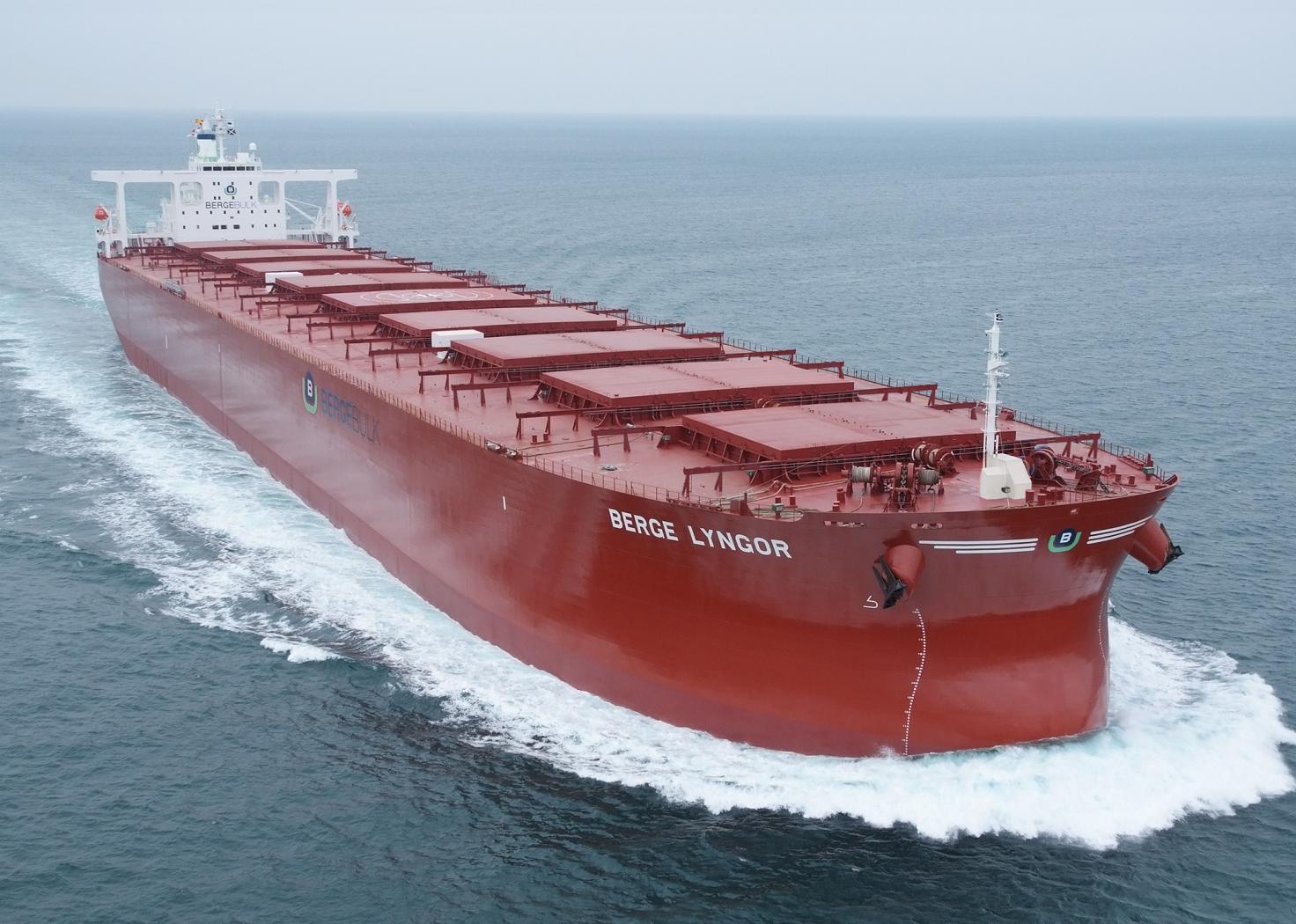
HAMR’s involvement builds on practical experience getting low-carbon fuel into vessels on Asia-Pacific routes. In 2026, HAMR supplied tallow-derived biodiesel for a pilot with BHP and the Global Centre for Maritime Decarbonisation (GCMD). The fuel was bunkered in Singapore onto the bulk carrier Berge Lyngor for an iron ore voyage from Port Hedland to China. HAMR managed fuel certification, supply chain and logistics for the pilot. The blend is expected to deliver an approximately 79% reduction in well-to-wake emissions compared with VLSFO.
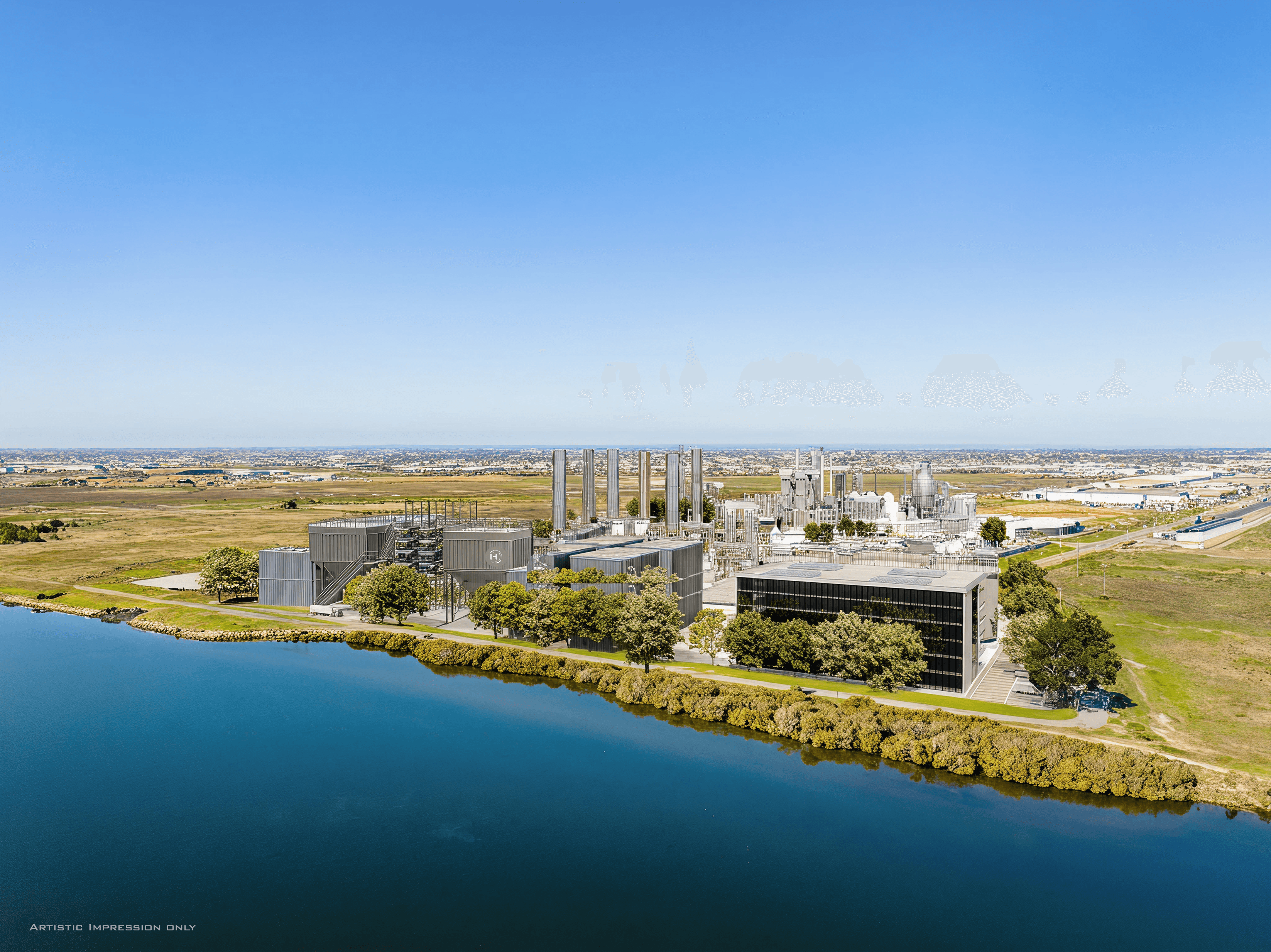
Looking ahead, HAMR’s Portland Renewable Fuels project will produce renewable methanol from forestry residues, made in Australia, for hard-to-abate shipping and aviation markets.
Read more
The Green Shipping Corridor Implementation Plan responds to that urgency with a clear and phased pathway. It shows how international collaboration can deliver real progress with non-fossil-based low-carbon vessels, cleaner port operations, and a model other trade routes can replicate - Kevin Austin, Deputy Executive Director of C40 Cities
The Green Shipping Corridor Implementation Plan responds to that urgency with a clear and phased pathway. It shows how international collaboration can deliver real progress with non-fossil-based low-carbon vessels, cleaner port operations, and a model other trade routes can replicate - Kevin Austin, Deputy Executive Director of C40 Cities
The Green Shipping Corridor Implementation Plan responds to that urgency with a clear and phased pathway. It shows how international collaboration can deliver real progress with non-fossil-based low-carbon vessels, cleaner port operations, and a model other trade routes can replicate - Kevin Austin, Deputy Executive Director of C40 Cities
About HAMR Energy
About HAMR Energy
OUR LATEST NEWS
OUR LATEST NEWS